Overview
Territories of life
Colombia is one of the world’s most biodiverse countries, where mountains, forests, rivers, coasts, and plains create a remarkable range of habitats and ways of life.
For Culturombia, biodiversity is inseparable from territory: it is expressed through local knowledge, stewardship, foodways, craft traditions, and the relationships communities build with place.
Ecosystems
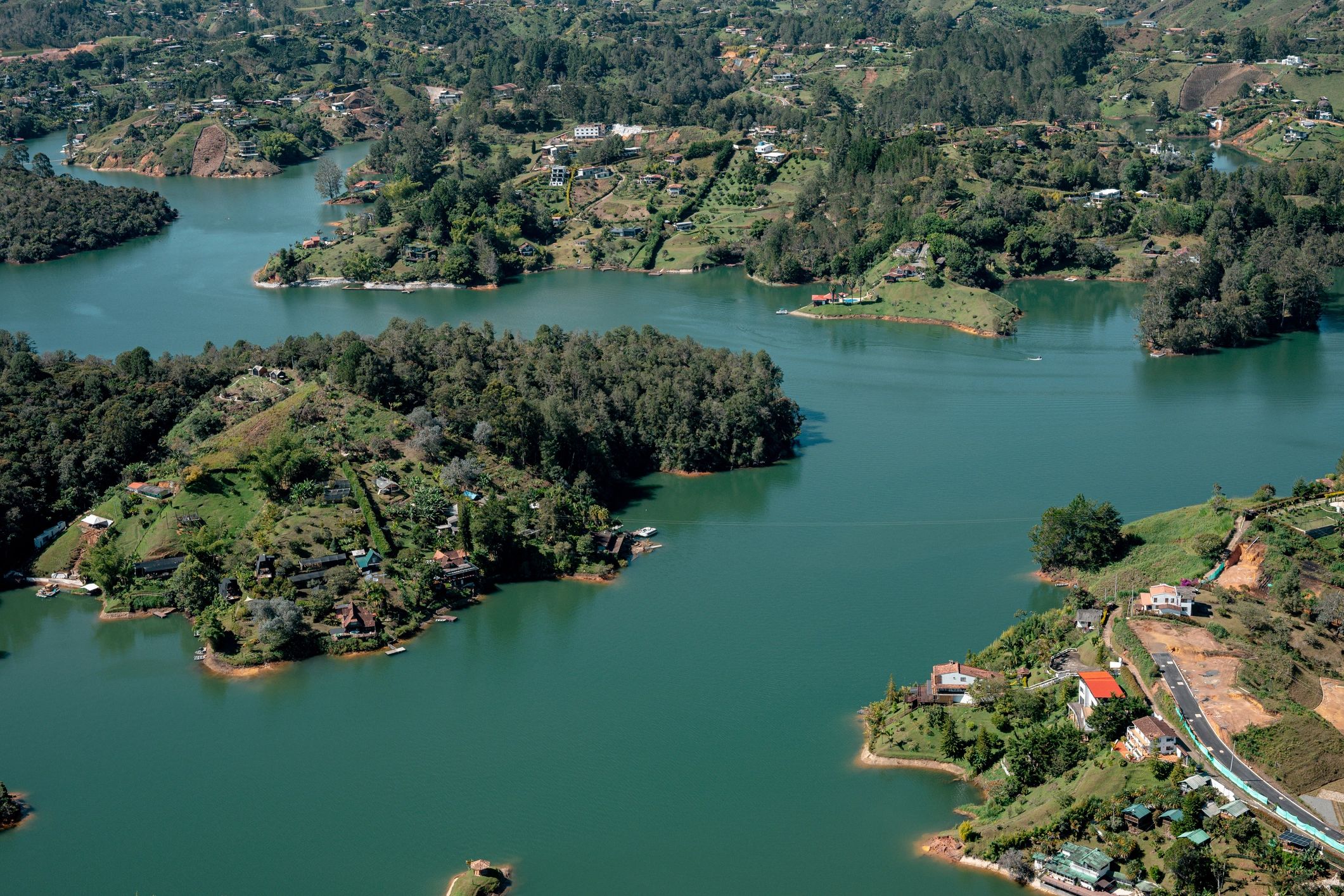
A country of contrasts
From high-altitude páramos to tropical forests and coastal wetlands, Colombia’s territories reveal how ecology, climate, and culture intersect across regions.
Andean highlands
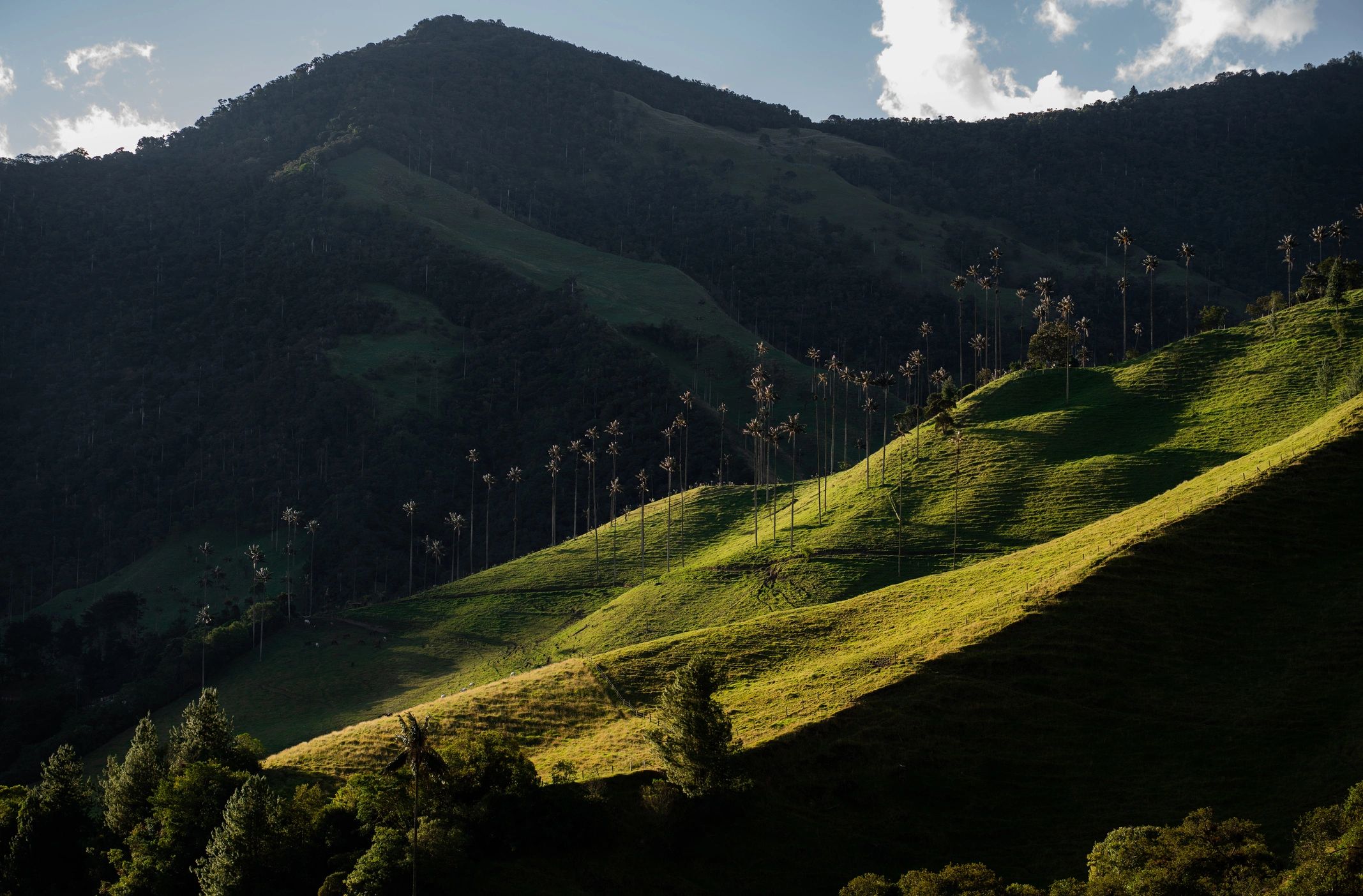
Mountain landscapes, cloud forests, and páramos regulate water, sustain biodiversity, and support communities shaped by altitude and exchange.
River and forest worlds
Amazonian and inter-Andean territories hold dense ecological networks where rivers connect species, livelihoods, mobility, and memory.
Coasts and transition zones
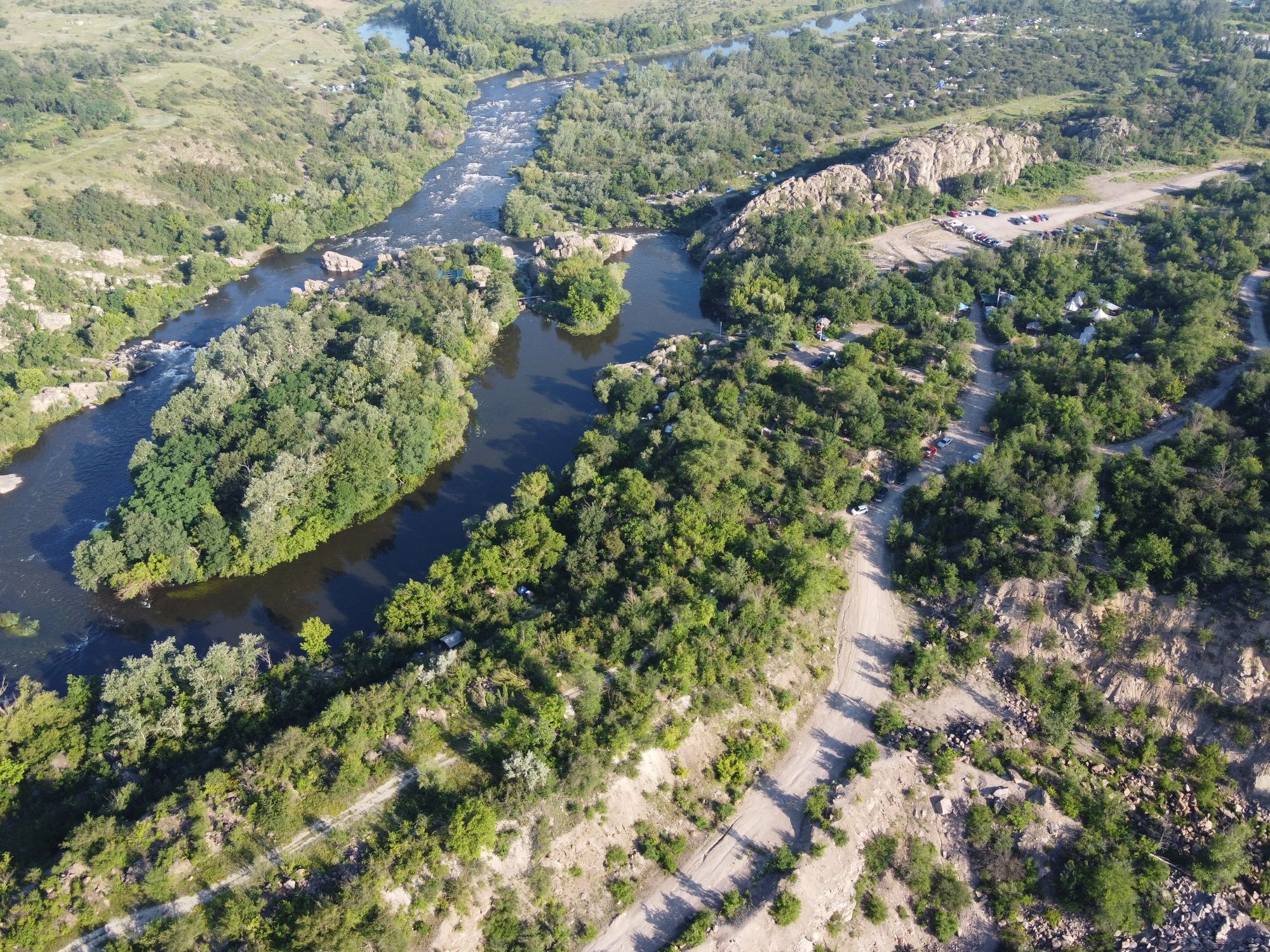
Mangroves, dry forests, and coastal ecosystems show how biodiversity adapts across edges, seasons, and human presence.
Perspective
Why territories matter
A territorial view helps connect environmental diversity with the people, practices, and institutions that care for it.
Cultural knowledge
Communities interpret landscapes through language, ritual, agriculture, craftsmanship, and everyday stewardship.
Shared responsibility
Protecting biodiversity depends on collaboration among local actors, cultural organizations, educators, and international partners.